
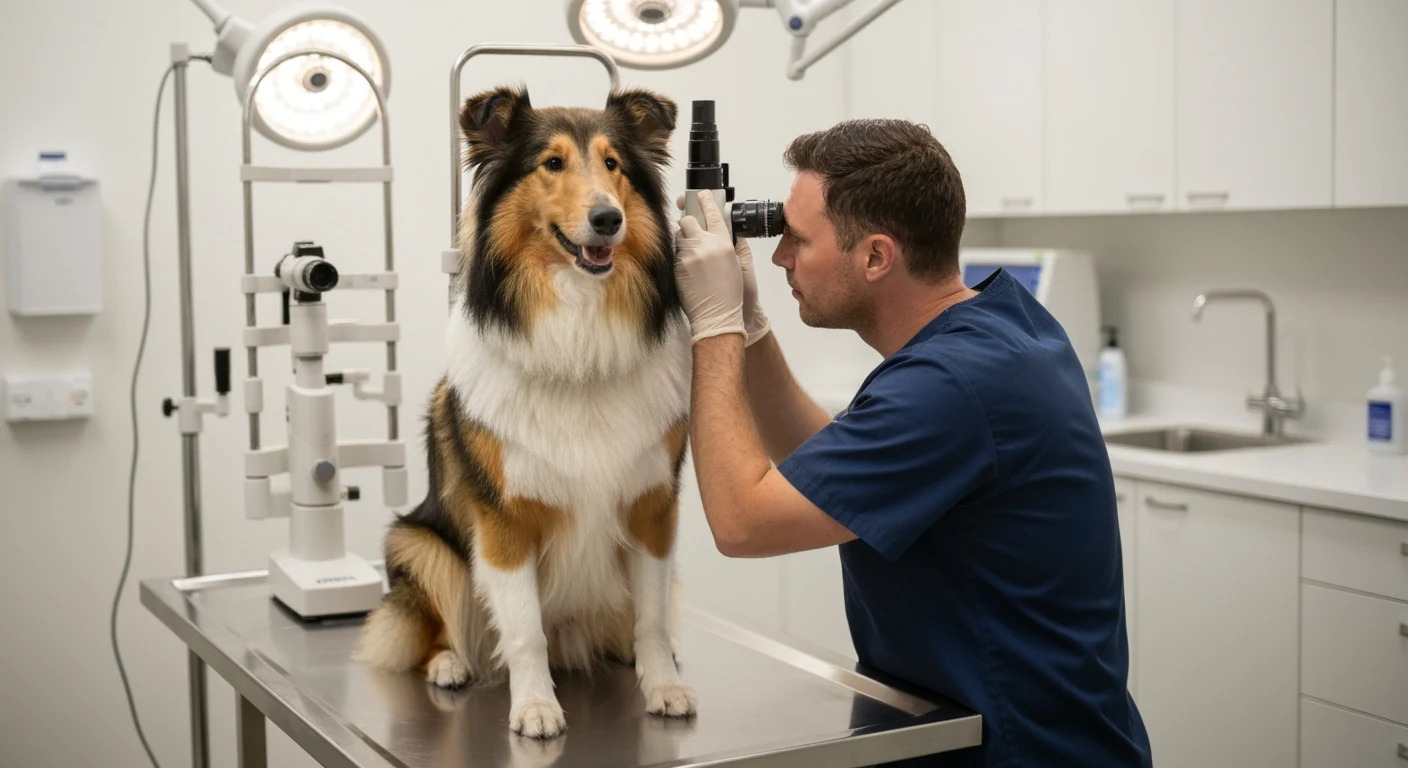
The CEA 'Go-Normal' Phenomenon
Learn why a puppy can appear clear later in life while the inherited CEA status remains unchanged, and why early screening matters.
Evidence-based ophthalmology resources for breeders, veterinarians, and owners of affected breeds. Drawing from 28 years of clinical experience and over 15,000 eye examinations.
I have spent nearly three decades examining the eyes of Collies, Shetland Sheepdogs, Australian Shepherds, and their relatives. Collie Eye Anomaly remains one of the most significant hereditary eye conditions in these breeds, yet it is also one of the most manageable through proper screening and informed breeding decisions.
This resource distils my clinical experience and published research into practical guidance. Whether you are a breeder seeking to reduce CEA incidence in your lines, a veterinarian learning to recognise the spectrum of findings, or an owner whose dog has been diagnosed, you will find evidence-based information here.
Understanding the spectrum of severity from mild choroidal hypoplasia to severe colobomas. Why the same mutation produces such different outcomes.
Read the guideWhat happens during a CEA screening examination, the equipment we use, and what specific findings we document at each location.
Learn the processComparing available DNA tests for CEA, understanding the NHEJ1 gene mutation, and why genetic testing complements but does not replace eye examinations.
Compare optionsPractical protocols for reducing CEA incidence while maintaining genetic diversity. Data from breeding programmes that have achieved dramatic improvements.
Plan your programmeCollie Eye Anomaly is not limited to Collies. How CEA presents in Australian Shepherds and Shetland Sheepdogs, breed-specific prevalence data, and why screening protocols must be tailored to each population.
Explore breed differencesA detailed guide to choroidal hypoplasia grading scales in Collie Eye Anomaly. How ophthalmologists classify severity, what each grade means clinically, and how to incorporate grading data into breeding decisions.
Understand the gradingA step-by-step walkthrough of the Mendelian mathematics behind carrier-to-carrier CEA pairings. Expected genotype ratios, the binomial distribution of affected puppies across litter sizes, and when carrier-to-carrier breedings are defensible.
Read the mathHow spectral-domain optical coherence tomography visualizes choroidal hypoplasia and colobomas at near-histologic resolution. When the scan changes clinical decisions and what a good OCT report contains.
See the scansA global survey of Collie Eye Anomaly prevalence across countries and breeds. Examining which national breeding programmes have achieved the greatest reductions and the strategies behind their success.
View global dataPractical guidance for owners of dogs diagnosed with Collie Eye Anomaly. Understanding prognosis, monitoring for complications, environmental adaptations, and maintaining quality of life.
Read the guideA practical guide to dog ownership: choosing a breed, the first months, adoption, safety and everyday care, with Australian context for new owners.
Read the guideHow Southern dog law works in practice: bite rules, city ordinances, parasites, humid heat, and the daily life of a dog below the line.
Read the guideBoard-certified by both the American College of Veterinary Ophthalmologists and the Royal College of Veterinary Surgeons, I have dedicated my career to understanding and managing hereditary eye conditions in dogs. My research on CEA early detection protocols has been adopted by kennel clubs across Europe, and my textbook on ocular conditions in working breeds remains the standard reference in veterinary education.
Learn more about my workThese guides are kept in view because screening advice, breeding decisions, and practical care benefit from clear references that remain useful beyond the latest publication.
Learn why a puppy can appear clear later in life while the inherited CEA status remains unchanged, and why early screening matters.
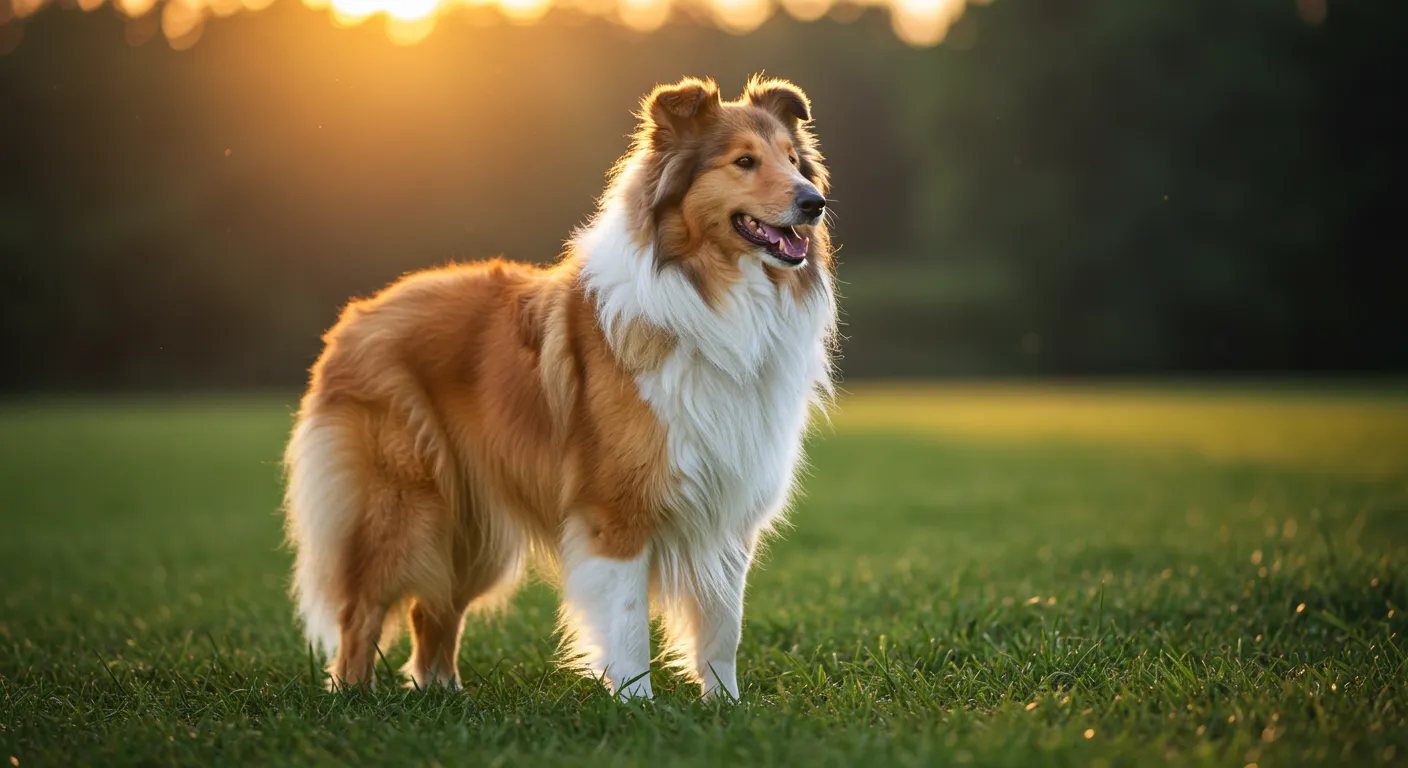
A focused reference for Rough Collie owners and breeders, bringing together prevalence, screening timing, clinical variation, and breeding context.
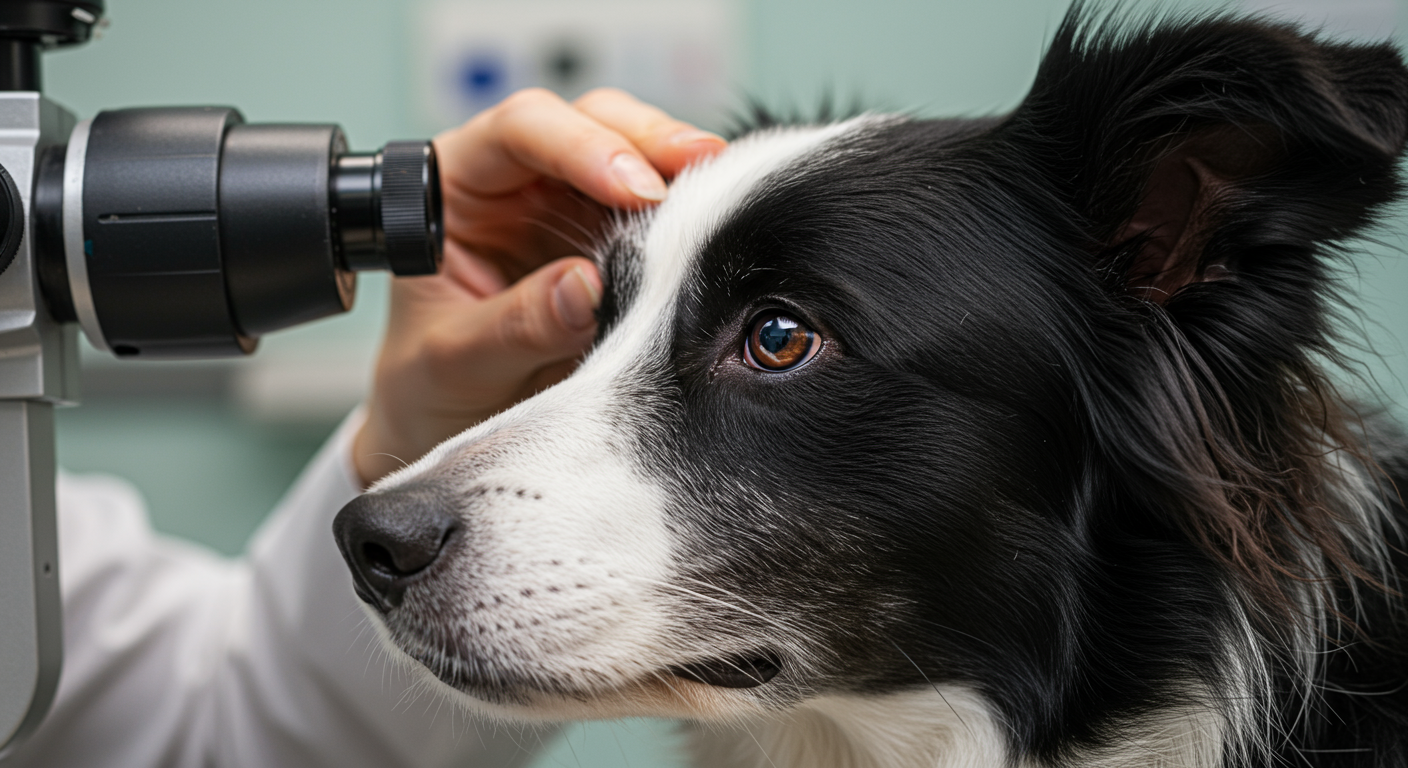
Use simple genotype ratios and litter-size probabilities to understand risk, plan a pairing, and protect genetic diversity without guessing.
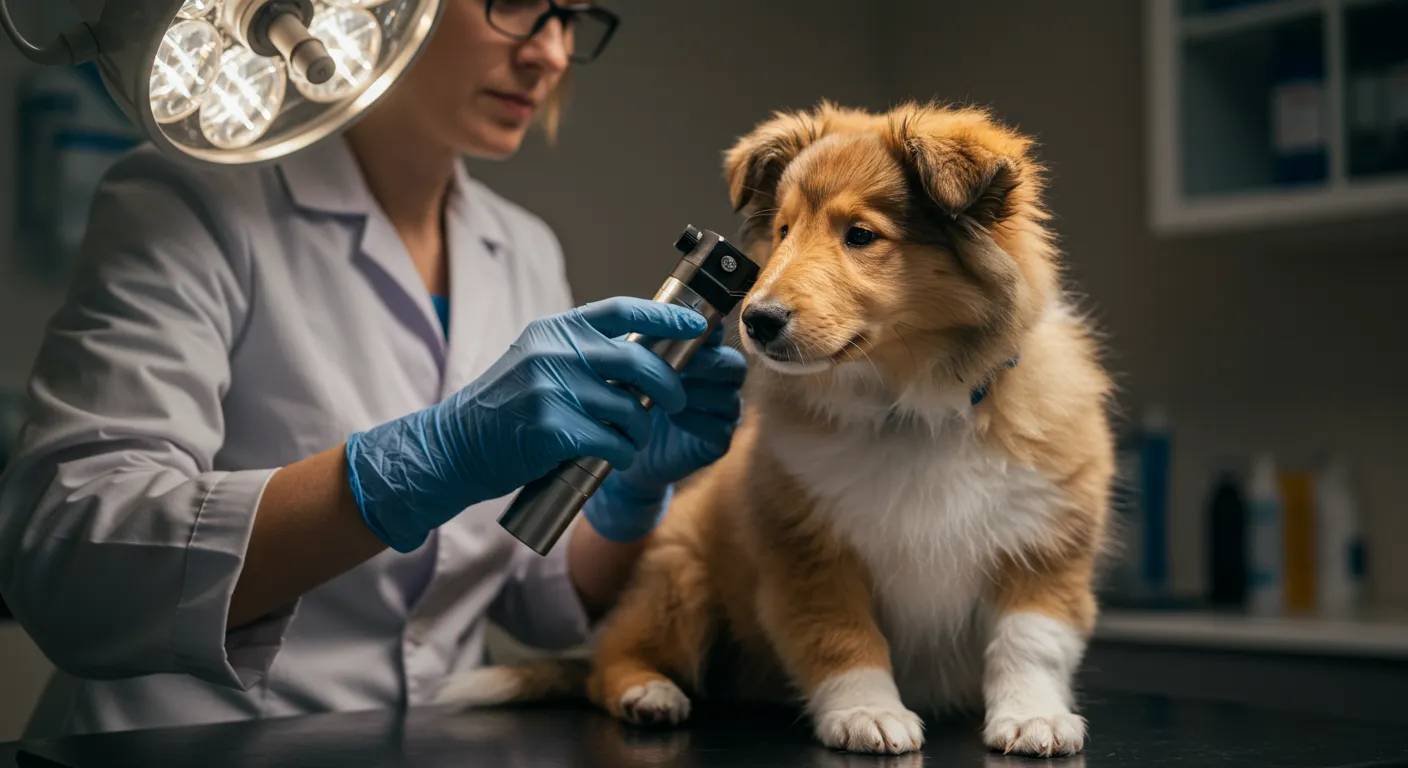
See what changes between the six-to-eight-week examination window and adulthood, and which evidence stays important at every age.
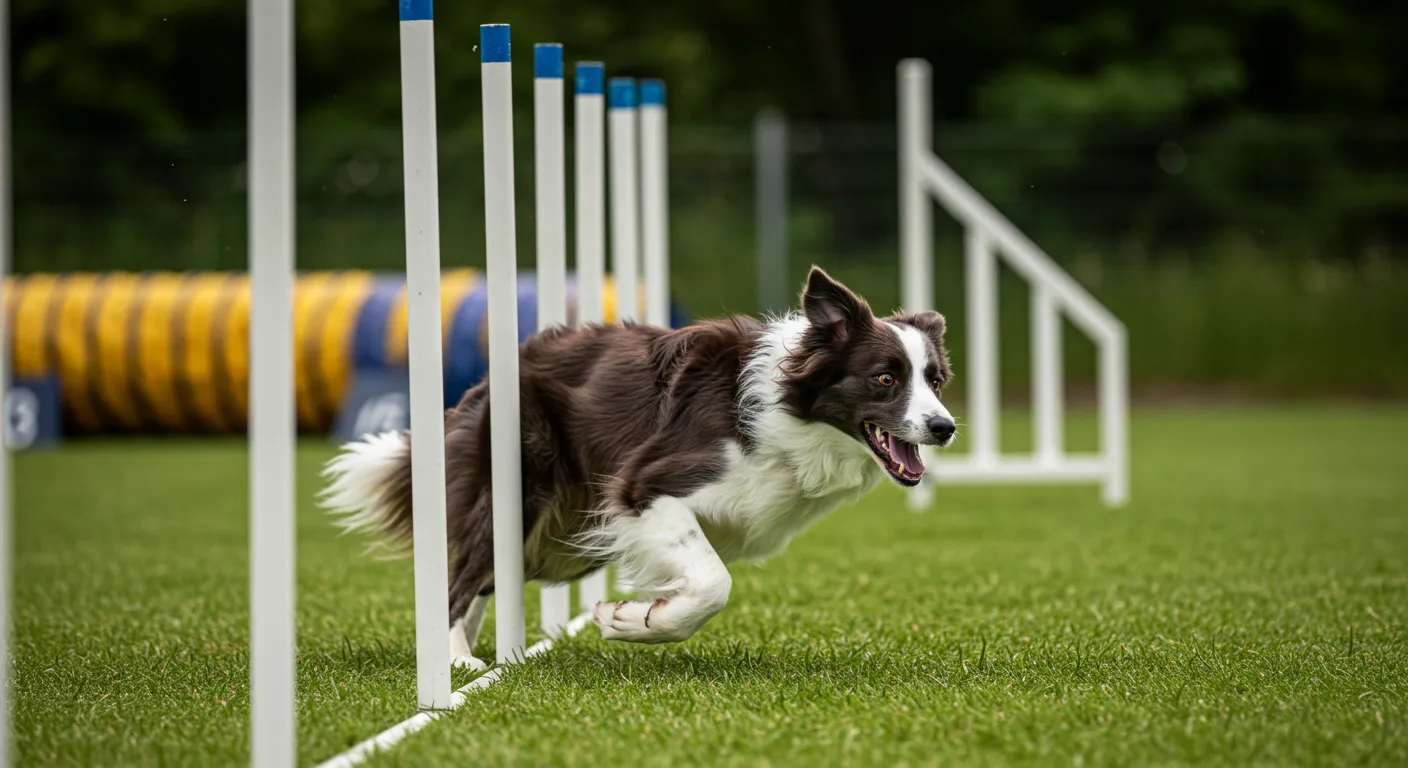
A practical look at agility, herding, and assistance roles, with the distinction between a diagnosis, useful vision, and safe participation.
For related questions about inherited disease, canine breeding, and careful source reading, these independent reference sites offer distinct perspectives.
Une publication indépendante à découvrir en complément de nos pages.
Broadcast sound notesUne publication indépendante à découvrir en complément de nos pages.
Orthodox year guideUne publication indépendante à découvrir en complément de nos pages.
Canine PRA researchUne publication indépendante à découvrir en complément de nos pages.
Maritime systems ledgerUne publication indépendante à découvrir en complément de nos pages.
Herding gene scienceUne publication indépendante à découvrir en complément de nos pages.
Canadian show guideTwo independent references that cover the inherited risks and breeding standards our readers ask about most often.