
Dog Ownership Basics for New Owners
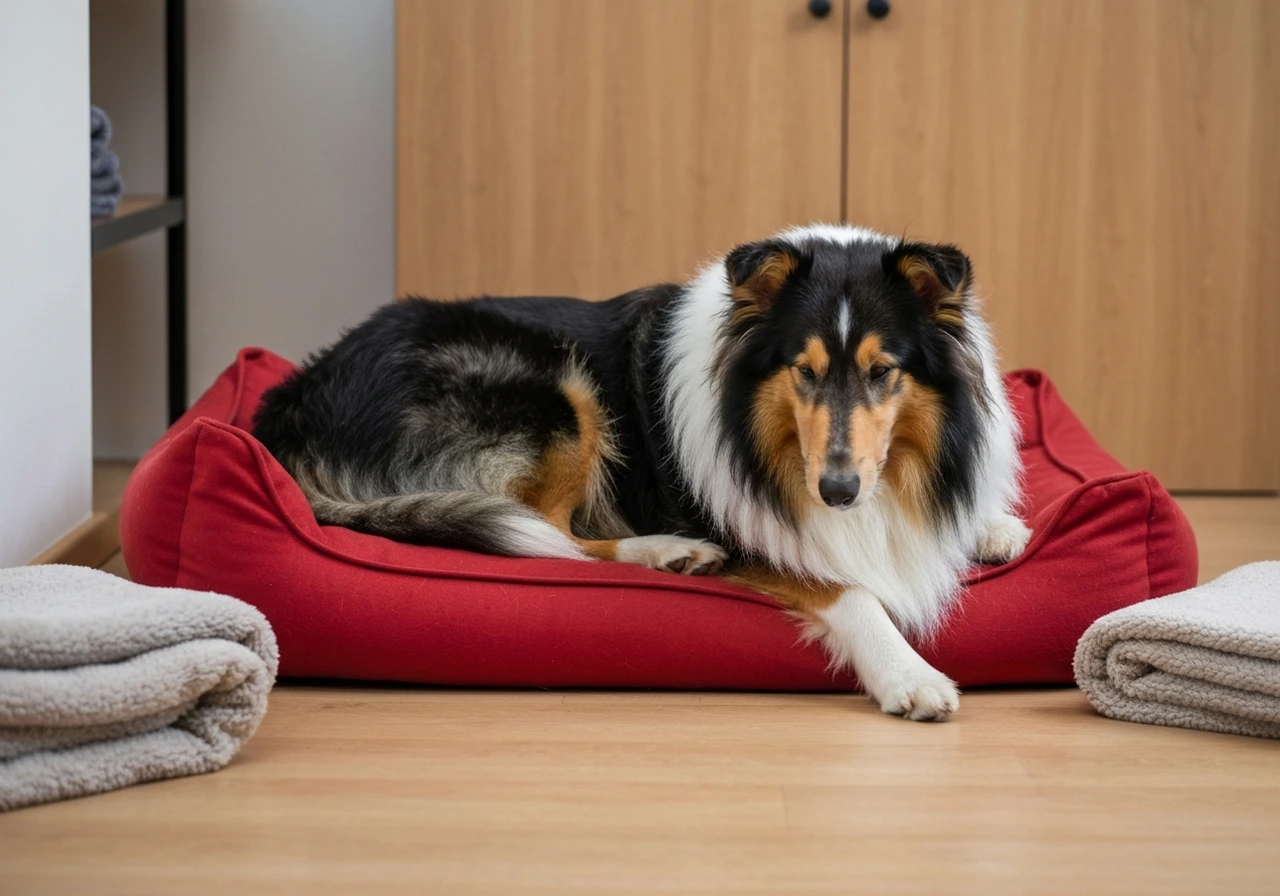
Dog ownership starts with a clear decision rather than a purchase. A new owner needs to match a breed's work drive, coat, size and health checks to the home that can actually meet them. The first months then set the habits that shape a calm adult dog, and local risks such as snakes, heat and roads belong in the plan from day one.
What Should a New Owner Know Before Choosing a Dog?
Choosing a dog is a matching exercise. Breed profiles describe what a dog was developed to do, and that history does not disappear when the dog moves into a house. A working breed kept in a small yard without a job will find its own occupation, and the owner usually dislikes the result.
Four points decide most matches. Work drive tells you how much mental and physical activity the dog needs each day. Coat tells you about grooming time and heat tolerance. Size tells you about space, car travel and the strength needed on a lead. Health checks tell you what the breeder or shelter has tested and what the breed is known for.
A useful starting point is an independent dog magazine that explains how to read a breed sheet before choosing, covering work drive, coat, size, health checks and the homes each breed suits. That kind of overview helps an owner compare breeds on the same criteria instead of on appearance alone.
Homes differ, and so do the questions. A flat in a city, a house with a yard, a farm, a home with children, a home with an older owner: each one narrows the list. The honest answer is often a breed the owner had not considered, or a mixed breed from a shelter with a known temperament.
The First Months at Home
The first weeks are about routine, not tricks. A puppy needs a toilet schedule, a sleeping place, food at set times and short sessions of gentle handling. Everything else can wait.
Toilet training works on repetition and timing. Take the puppy out after waking, after eating, after play and before sleep. Praise immediately when it goes in the right place. Accidents are information about timing, not disobedience.
Basic commands come next: sit, stay, come, leave it. Keep sessions to a few minutes, several times a day. A puppy that learns to come when called has a safety skill, not just a party trick.
Park manners follow. A young dog needs to learn to walk on a loose lead, to ignore other dogs on cue and to settle while the world moves around it. These habits are easier to build at four months than to repair at two years.
Sleep matters more than most owners expect. Puppies need long rest periods, and a tired puppy is often an overstimulated puppy. A crate or a quiet corner gives the dog a place to switch off.
How Does Adoption Through Shelters and Breed Programs Work?
Adoption usually begins with a form, a conversation and a meeting. Shelters and breed rescue programs assess the dog's behaviour, health and history, then match it to a household. Some dogs need an adult-only home, some need a home without cats, and some need an owner who can manage a strong lead.
Reading a rescue dog takes patience. Ask what the foster carer observed: how the dog behaves around food, strangers, children, other dogs and being left alone. A dog that is calm in a foster home is often calm in a similar home.
Breed programs exist for dogs whose breed clubs run their own rescue arms. These programs usually know the breed's typical health issues and temperament, which helps an adopter prepare. Waiting lists are common, and that wait is part of the process.
Adoption is not a lesser route. It is a different route, with its own information needs. The dog's age, medical record and behaviour notes matter more than its pedigree.
Australian Risks Worth Knowing
Some risks are local, and owners in Australia plan for them from the first walk.
Snakes are active in warm months, and a dog that investigates a snake in long grass can be bitten within seconds. First response matters: keep the dog still, do not cut or suck the wound, and get to a vet immediately. A snakebite first response guide is worth reading before an incident, not after.
Heat is the second risk. Dogs do not sweat efficiently, and a car, a hot pavement or a long walk at midday can cause heat stress. Walk early or late, carry water, and watch for heavy panting, drooling and weakness.
Roads are the third. A dog off lead near traffic is one distraction away from an accident. Recall training and a secure lead are the practical answers.
Everyday Life with a Dog
A dog's week is made of small services and places. Day care gives some owners a solution for long working days, provided the facility separates dogs by size and temperament. Grooming keeps coats healthy and gives the owner a regular check for lumps, cuts and parasites.
Beaches are popular in Australia, and rules differ from one council to another. Some beaches allow dogs off lead at certain hours, some allow them on lead only, and some exclude them entirely. Signs at the entrance state the local rule.
New owners keep asking the same questions: how much exercise, how much food, when to desex, how to travel with a dog, what to do in a storm. Most of these have simple answers once the dog's age, breed and health are known.
Building a Routine That Lasts
A routine is the cheapest training tool available. Feeding, walking, resting and training at similar times each day reduce uncertainty for the dog and make behaviour more predictable for the owner.
Exercise should match the breed and the individual dog. A herding breed may need a job as much as a run. A brachycephalic breed may need shorter, cooler walks. A senior dog may need gentle, frequent outings.
Health care is a schedule, not a reaction. Vaccinations, parasite prevention, dental checks and annual examinations catch problems early. Weight is the simplest indicator an owner can monitor at home.
Social contact matters too. Dogs that meet other dogs, people and environments regularly tend to cope better with change. A puppy class, a walking group or a calm cafe visit all count.
Common Mistakes New Owners Make
The most common mistake is choosing on appearance. The second is underestimating the first year's demands. The third is skipping training because the dog seems fine at home, then discovering that a dog which behaves in a living room may not behave in a park.
Another mistake is treating adoption as a rescue mission rather than a match. A dog placed in the wrong home is returned, and the return is harder on the dog than the original wait.
Owners also forget paperwork. Registration, microchip details, council rules and insurance are part of ownership, and they take an afternoon to sort out.
A Practical Starting Point
A new owner does not need to know everything on day one. They need a breed that fits the home, a routine that covers toilet training, sleep and basic commands, a plan for local risks, and a vet they trust.
The rest is learned with the dog. Reading breed profiles, puppy guides, adoption advice and everyday care information before the dog arrives makes the first year calmer for both sides.