
The ophthalmoscopic examination for Collie Eye Anomaly is simultaneously straightforward and subtle. I have performed this examination over 15,000 times across my career, and whilst the technique becomes second nature, the interpretation demands careful attention. Owners and breeders who understand what happens during the examination are better equipped to prepare their dogs and comprehend the findings. Let me walk you through exactly what occurs when a dog sits before me for CEA screening.
Timing: Why Age Matters
Before discussing technique, I must emphasise the critical importance of examination timing. The optimal window for CEA detection in puppies is between 6 and 8 weeks of age. This timing is not arbitrary; it reflects the developmental biology of the canine eye.
At this age, the retinal pigment epithelium has not yet developed its full pigmentation. The choroidal abnormalities characteristic of CEA are readily visible through the still-transparent tissue layers. By 10-12 weeks, increasing pigmentation can mask underlying lesions, creating the "go normal" phenomenon I described in my article on understanding CEA severity.
I vividly recall a litter of Rough Collies I examined at 7 weeks: three puppies showed clear choroidal hypoplasia. The breeder, who had transport difficulties, asked if I could re-examine the remaining two puppies at 14 weeks. When I did, both appeared completely normal ophthalmoscopically. Genetic testing later confirmed both were homozygous affected. Had this been the only examination, two affected dogs would have entered the breeding population as apparent "normals."
Scheduling Recommendation
Book litter examinations for 6-8 weeks of age. If puppies are purchased before this age, ensure the breeder has had them examined. If examination has been delayed beyond 10 weeks, strongly consider genetic testing regardless of ophthalmoscopic findings.
Preparation: Pupil Dilation
Adequate pupil dilation is essential for thorough fundoscopic examination. The lesions of CEA are located in the posterior segment of the eye, which we can only visualise when the pupil is widely dilated. Attempting examination through a constricted pupil is like trying to survey a room through a keyhole.
I use tropicamide 1% ophthalmic solution, instilling one drop in each eye approximately 20-30 minutes before examination. This anticholinergic agent temporarily paralyses the iris sphincter muscle, causing the pupil to dilate fully. The effect typically lasts 4-6 hours in dogs.
Owners sometimes worry about the dilating drops. I reassure them that tropicamide is extremely safe, with decades of use in both veterinary and human ophthalmology. Puppies may be slightly light-sensitive whilst dilated, so I advise keeping them in moderate lighting until the effect wears off. They can eat, drink, and behave normally.
The Examination Room
A proper examination requires a darkened room. The contrast between the illuminated fundus and surrounding darkness allows me to perceive subtle variations in colour, texture, and vascular pattern that would be invisible in ambient lighting. My examination rooms have dimmable lights that I reduce to near darkness once the dog is positioned.
The dog sits on an examination table or, for puppies, may be held at an appropriate height by an assistant. I find most dogs tolerate the examination well, especially if given a moment to settle after entering the dark room. Nervous dogs benefit from gentle handling and sometimes a brief pause to acclimatise.
Equipment: The Ophthalmoscope
The indirect ophthalmoscope is my primary instrument for CEA screening. This head-mounted device projects a light beam that enters the eye, illuminates the fundus, and returns an image to my viewing oculars. A handheld condensing lens (typically 20 or 28 dioptres) held between my eyes and the patient's eye focuses this image.
The indirect technique provides a wide field of view, typically 40-60 degrees of the fundus visible at once. This is crucial for CEA screening because lesions can occur anywhere in the posterior fundus, particularly temporal and lateral to the optic disc. I systematically survey the entire visible fundus, not just the central region.
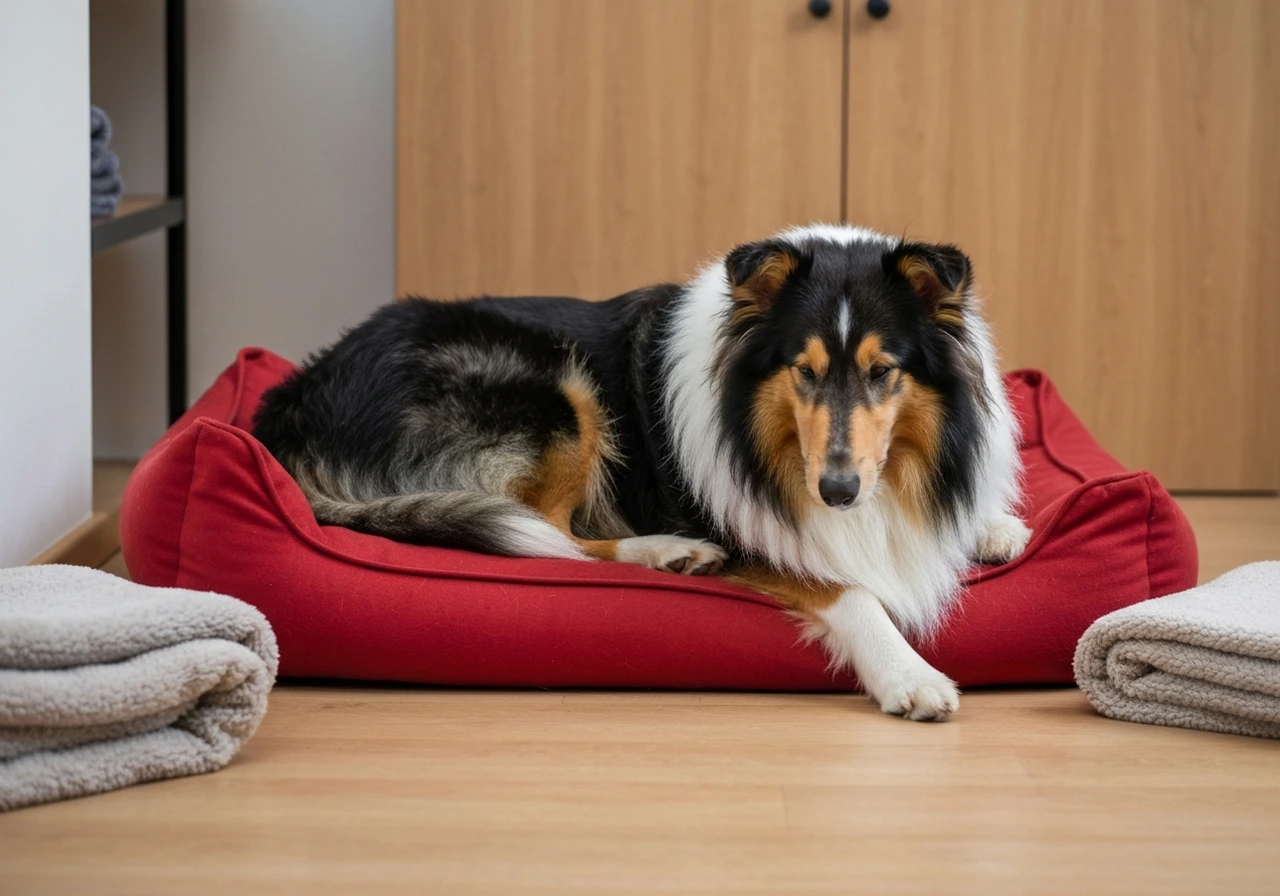
For detailed examination of suspicious areas, I may switch to direct ophthalmoscopy, which provides higher magnification but a much narrower field. The direct ophthalmoscope resembles a large pen-like instrument held close to the patient's eye. It is useful for characterising coloboma depth and extent but impractical for initial screening.
What I Am Looking For
During the examination, I systematically evaluate several structures. Understanding what I assess helps breeders appreciate why findings are recorded as they are.
The Optic Disc
My examination begins at the optic nerve head, where the ganglion cell axons exit the eye en route to the brain. In normal dogs, the optic disc appears as a well-defined, roughly circular or horizontally oval structure, typically with a central depression (the physiologic cup) and clearly visible blood vessels emerging from its surface.
In CEA-affected dogs, I assess the optic disc for colobomas. These appear as pit-like depressions adjacent to or involving the disc margin. Small colobomas may appear as subtle irregularities in the disc contour, whilst large ones present as obvious excavations extending beyond the normal boundaries.
The Temporal Fundus
The area temporal (toward the temple) to the optic disc is the most common location for choroidal hypoplasia. Normal fundus in this region shows uniform colouration determined by the overlying retinal pigment and underlying choroidal pigmentation. In heavily pigmented dogs, this appears as a uniform dark brown or grey-brown carpet of choroidal vessels partially visible through the pigment.
Choroidal hypoplasia manifests as a localised pale zone where the normal pigmentation is absent or reduced. The underlying sclera may be visible as a whitish area. Choroidal vessels appear more prominent and may have an abnormal pattern or calibre. The lesion borders may be sharply demarcated or blend gradually into normal tissue. I describe the [choroidal hypoplasia grading scale and what each grade means for breeding decisions](/articles/choroidal-hypoplasia-grading-what-numbers-mean-breeding-program/) in a separate detailed guide.
The Retina
I evaluate the retina for signs of detachment, which appears as an elevated, mobile membrane separating from the underlying pigment epithelium. Fresh detachments may show bullous elevation with subretinal fluid; chronic ones may appear as grey, thickened tissue draped over underlying structures.
In colobomatous areas, the overlying retina is often abnormal. I assess whether retinal tissue is present, thinned, or absent over the coloboma, as this influences prognosis and the risk of progressive complications.
The Vitreous
Before examining the fundus, I observe the vitreous humor (the gel filling the posterior eye) for signs of haemorrhage. Blood in the vitreous appears as mobile, often strand-like opacities that move with eye rotation. Significant haemorrhage can obscure the fundus entirely, necessitating ultrasound examination to assess underlying retinal status.
Documenting Findings
Standardised documentation is essential for meaningful records. The Kennel Club Eye Scheme, which I have consulted on since 2008, specifies a classification system that allows consistent recording across examiners. These standardised protocols contribute to the [international prevalence data](/articles/international-cea-prevalence-data-breeding-program-success-stories/) that enables us to track breeding programme progress across countries.
Grade 1: Choroidal Hypoplasia Only
Localised pallor temporal to disc. No coloboma, detachment, or haemorrhage. Most common finding. Vision unaffected.
Grade 2: Mild Coloboma
Small pit-like defect typically at or near optic disc. Choroidal hypoplasia usually present. Mild visual field defect possible.
Grade 3: Moderate Coloboma
Larger coloboma extending beyond disc margin. May involve retinal tissue. Monitor annually for complications.
Grade 4: Severe Coloboma
Extensive coloboma with significant structural disruption. High risk for retinal detachment. Vision may be impaired.
Grade 5: Retinal Detachment/Haemorrhage
End-stage complications present. Vision likely severely compromised or absent in affected eye.
I document findings for each eye independently, using standardised drawings to indicate lesion location and extent. These records become part of the permanent file and, for breeding dogs, are submitted to kennel club registries and eye certification databases.
The Examination Experience for Your Dog
Many owners ask what their dog experiences during the examination. Let me describe a typical puppy screening to allay concerns.
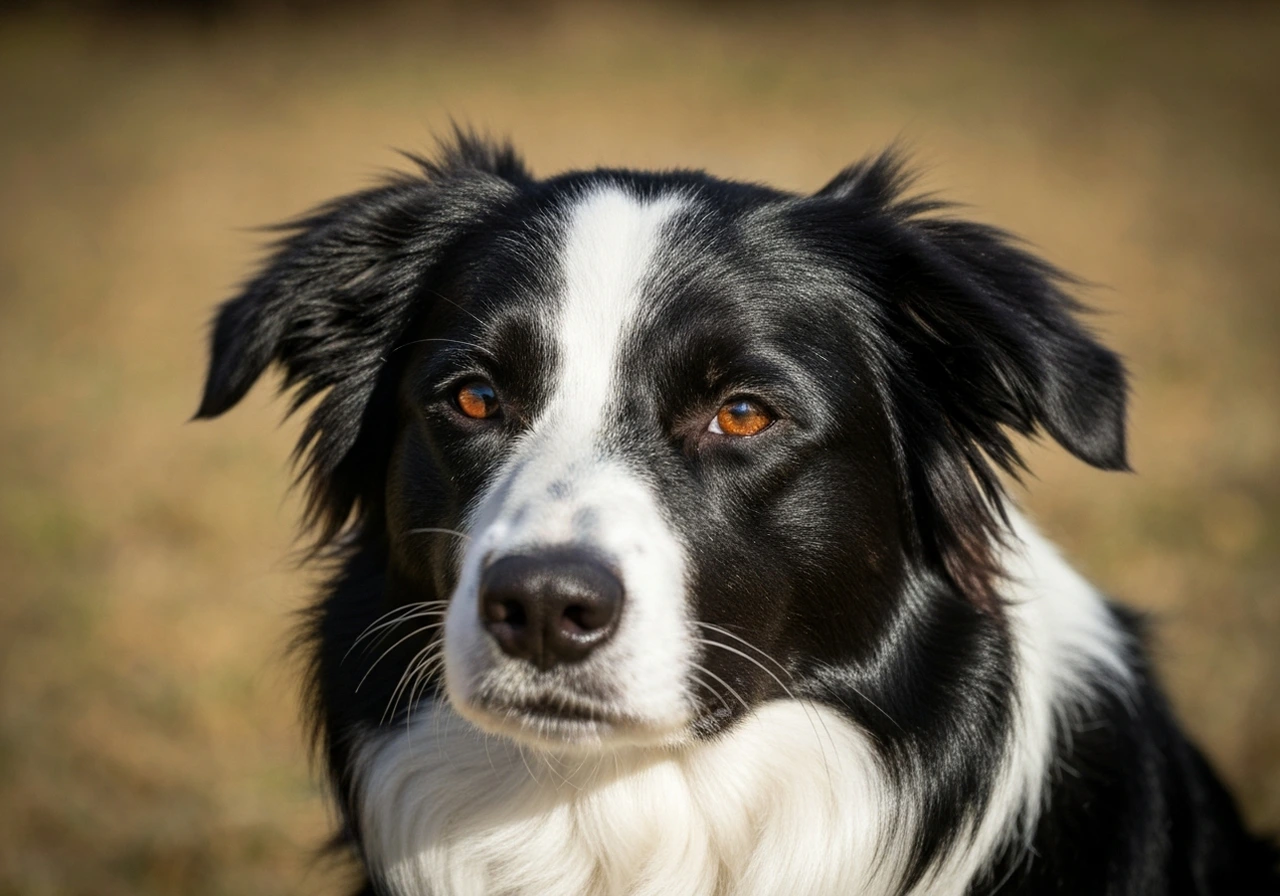
The puppy arrives at the clinic and receives dilating drops. During the 20-30 minute wait for full dilation, the puppy can remain in its carrier or on the owner's lap in the waiting area. Some puppies become slightly quiet as their pupils dilate, which is entirely normal.
When called to the examination room, I ask the owner to hold the puppy on the examination table whilst my assistant dims the lights. I don my head-mounted ophthalmoscope and position myself in front of the puppy, holding the condensing lens in one hand.
The actual examination takes 2-5 minutes per puppy. I gently position the head to allow optimal viewing angles, but no instruments touch the eye itself. The light is bright but brief; most puppies tolerate it with minimal fuss. Occasionally a puppy squirms or tries to turn away, in which case gentle repositioning suffices.
After examining both eyes, I record my findings and turn the lights back up. I discuss results with the owner immediately, explaining what I observed and answering questions. For breeding purposes, I complete the appropriate certification paperwork.
When Examination Alone Is Not Enough
Whilst ophthalmoscopic examination remains the gold standard for phenotypic CEA assessment, several scenarios warrant supplementary testing.
Adult dogs who were never examined as puppies should have genetic testing regardless of examination findings, as normal appearance may represent a "go normal" dog whose lesions are masked by pigmentation.
Dogs with suspected retinal detachment but unclear fundus views (due to haemorrhage or cataract) benefit from ocular ultrasonography, which can reveal the elevated retinal membrane even when direct visualisation is impossible.
Any dog being used for breeding should have both examination and genetic testing. The combination provides maximal information: the DNA test confirms genetic status whilst examination documents the actual clinical findings that determine prognosis and inform buyers about what to expect.
Practical Advice for Breeders
Schedule entire litters for examination at 6-8 weeks. The efficiency of examining multiple puppies together reduces cost per puppy and ensures consistent timing. Submit DNA samples simultaneously for testing, as results will arrive before puppies leave for their new homes. Provide new owners with copies of both examination certificates and genetic test results.
The Value of Expert Examination
Some owners wonder whether their primary care veterinarian can perform CEA screening. While general practitioners are skilled at identifying obvious ocular abnormalities, CEA screening demands specific experience recognising the often-subtle findings of mild choroidal hypoplasia.
Board-certified veterinary ophthalmologists (DACVO in the United States, holders of the RCVS Certificate or Diploma in the UK, or equivalent credentials elsewhere) have completed residency training specifically focused on ocular examination techniques. For Kennel Club Eye Scheme certification in the United Kingdom, only panellist veterinarians approved by the Scheme may conduct examinations. The importance of specialist examination is even more pronounced in [non-Collie breeds like Australian Shepherds](/articles/cea-in-non-collie-breeds-australian-shepherds-shetland-sheepdogs/), where merle fundus patterns can complicate interpretation.
I have seen cases where choroidal hypoplasia was missed by well-meaning general practitioners, only to be identified when the dog was later examined by a specialist. The consequences for breeding programmes are obvious. For such an important health test, specialist examination is worth the modest additional cost.
My professional satisfaction comes from helping breeders understand their dogs' status and make informed decisions. The few minutes spent in examination yield information that shapes lifelong management and breeding choices. That brief investment of time continues to pay dividends throughout the dog's life and beyond, into future generations. For those interested in a deeper view of what the ophthalmoscope reveals and how findings are interpreted in practice, my article on what veterinarians see inside the ophthalmoscope explains the diagnostic process in detail. The specific considerations for diagnosing CEA at different ages — from puppies to adults — are explored in my guide on CEA diagnosis across life stages.